
Surface Protection Against Weather Exposure
Asphalt Sealcoating in Mayfield for driveways and lots affected by UV damage and seasonal moisture
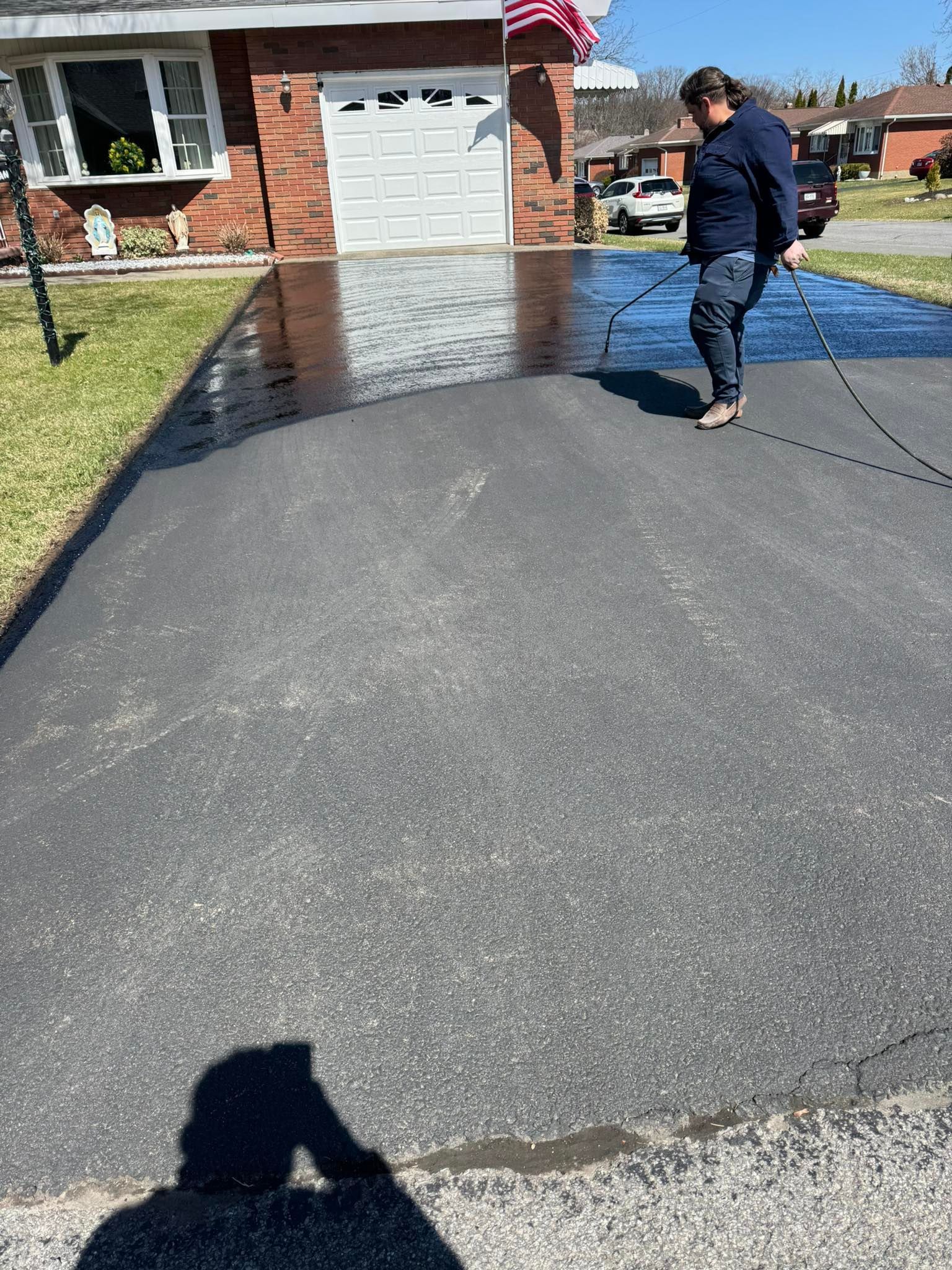
Sealcoating protects asphalt from the combined effects of weather, moisture infiltration, UV exposure, and vehicle traffic that gradually dry out pavement and create the brittle surface conditions where cracking begins. The process involves applying a protective coating that seals small surface voids, blocks water penetration, and restores the darker appearance that fades as asphalt ages. Tim's Paving & Sealcoating provides sealcoating for asphalt driveways, parking lots, and commercial pavement surfaces in Mayfield, where local climate conditions make routine maintenance essential for extending surface lifespan.
Proper surface preparation before application determines how well sealcoat bonds and how long the protection lasts, requiring cleaning to remove dirt, oil residue, and loose material that would prevent adhesion. The coating is then applied in even layers that cure to form a water-resistant barrier, with attention to coverage consistency that avoids thin spots where protection fails prematurely.
Schedule seasonal sealcoating services to evaluate your pavement condition and apply protective coating before weather exposure accelerates surface deterioration.
What You Notice Once Coating Is Finished
Freshly sealcoated pavement appears darker and more uniform, with the kind of consistent finish that makes driveways and parking lots look recently installed rather than years old. Water beads on the surface instead of soaking into porous areas, preventing the saturation that leads to freeze-thaw damage during winter months common in Upstate New York. The coating fills minor surface imperfections and creates a smoother texture that resists the oxidation process causing asphalt to turn gray and brittle over time.
The preventative maintenance benefits extend pavement life by slowing the deterioration cycle that begins with UV damage, progresses through surface cracking, and eventually requires full replacement when base stability is compromised. Sealcoating does not repair existing structural damage or fill large cracks, but it prevents new damage from forming on surfaces that are still in good condition. Improved appearance combines with functional protection, making the service valuable for both residential properties and commercial locations where curb appeal affects customer perception.
Application timing matters because sealcoat requires specific temperature and humidity conditions to cure properly, with spring and fall generally providing the most reliable weather windows. The coating needs time to dry before vehicle traffic resumes, and rain exposure during the curing period can wash away material before it bonds to the asphalt surface.
What Property Owners Usually Ask
Homeowners and commercial property managers considering sealcoating services typically ask about application frequency, weather requirements, and the difference between sealing and actual pavement repair.
What does sealcoating actually protect asphalt from?
Sealcoating blocks UV rays that dry and oxidize asphalt, prevents water from penetrating surface pores where freeze-thaw damage occurs, and creates a barrier against oil and fuel spills that soften and degrade pavement material.
How often should asphalt surfaces be sealcoated?
Most asphalt driveways and parking lots benefit from sealcoating every two to three years, though frequency depends on traffic volume, sun exposure, and climate conditions in the Mohawk Valley region where seasonal temperature extremes accelerate wear.
When is the best time to apply sealcoat?
Sealcoating requires temperatures above 50 degrees and low humidity for proper curing, with dry weather forecasted for at least 24 hours after application to prevent rain from washing away material before it bonds.
Why does asphalt turn gray and rough over time?
Gray, brittle asphalt results from oxidation caused by UV exposure and moisture infiltration, which strip oils from the pavement binder and leave a porous surface that cracks more easily under stress and temperature changes.
What preparation is needed before sealcoat application?
The surface must be cleaned thoroughly to remove dirt, vegetation, oil stains, and loose debris, and any structural cracks should be filled separately because sealcoat is designed for surface protection rather than crack repair.
Tim's Paving & Sealcoating handles sealcoating for residential and commercial properties throughout the surrounding area, with proper surface preparation and attention to application conditions that affect long-term performance. Contact our team to review your pavement condition and determine the right timing for protective sealcoat application.